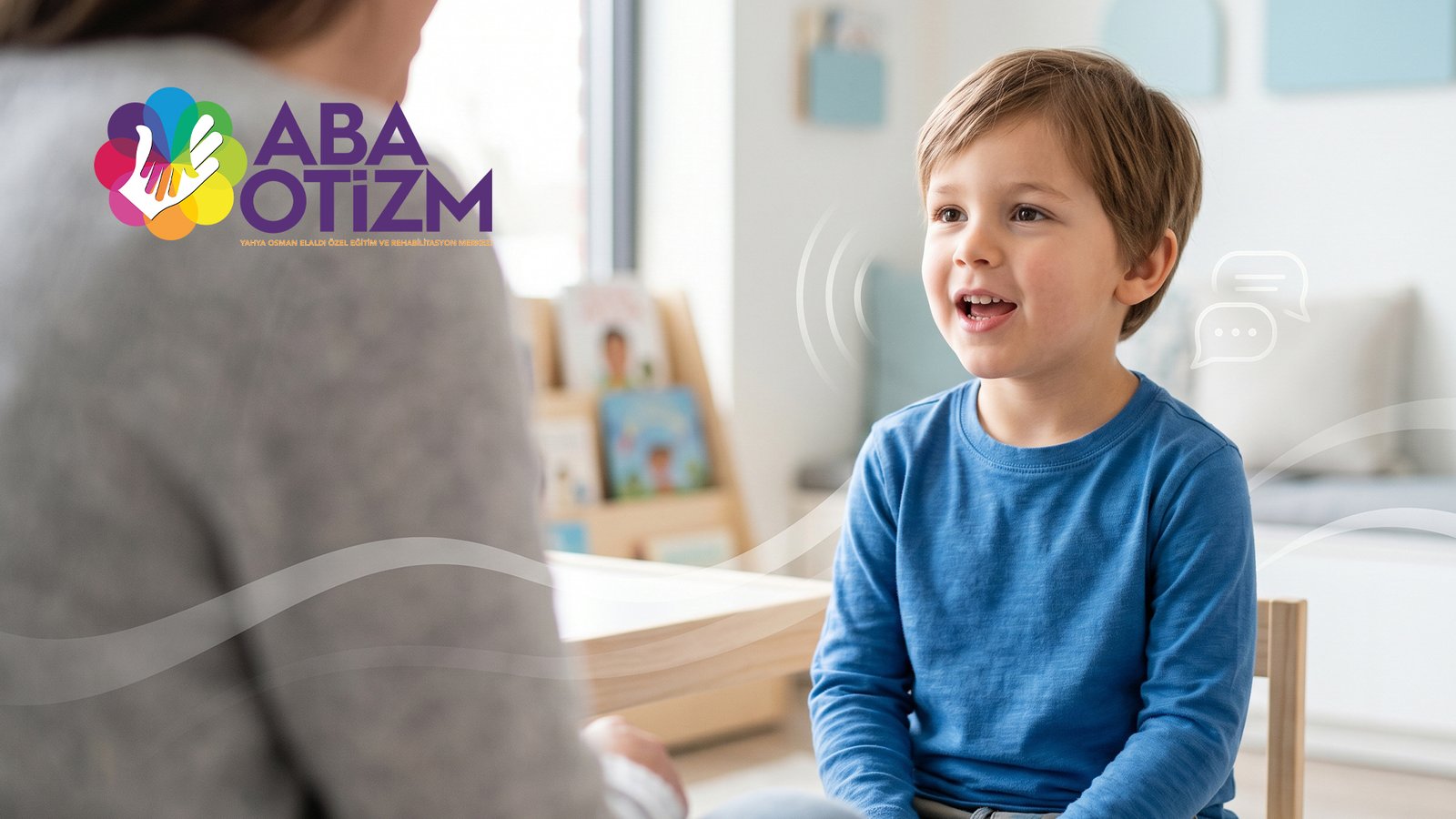
Communication skills in children with autism are essential for helping them express their needs, interact with others, and participate more actively in daily life. Communication is not limited to spoken language. Gestures, facial expressions, pointing, eye contact, vocalizations, alternative communication methods, and behaviors can all be part of communication.
Every child has a unique communication profile. Therefore, the support process should be planned according to the child's current abilities and individual needs.
What Do Communication Skills Include?
Communication skills include expressing needs and wants, making choices, asking for help, refusing, taking turns, joint attention, imitation, following instructions, and responding socially.
While some children can communicate through spoken language, others may benefit from visual supports, gestures, or alternative and augmentative communication (AAC) systems.
Why Should Communication Be Supported?
As communication skills improve, children can express their needs more clearly and effectively. This may also help reduce behavioral challenges, as some behaviors can result from difficulties in expressing themselves.
Supporting Communication at Home
Families can support communication by offering choices, using short and clear instructions, recognizing and responding to the child's communication attempts, and creating opportunities for interaction during everyday routines. Daily activities provide valuable opportunities to strengthen communication skills.
Supporting communication skills in children with autism is one of the most important aspects of their developmental journey. With individualized planning, professional guidance, and active family involvement, children can strengthen their ability to communicate in ways that best suit their needs.