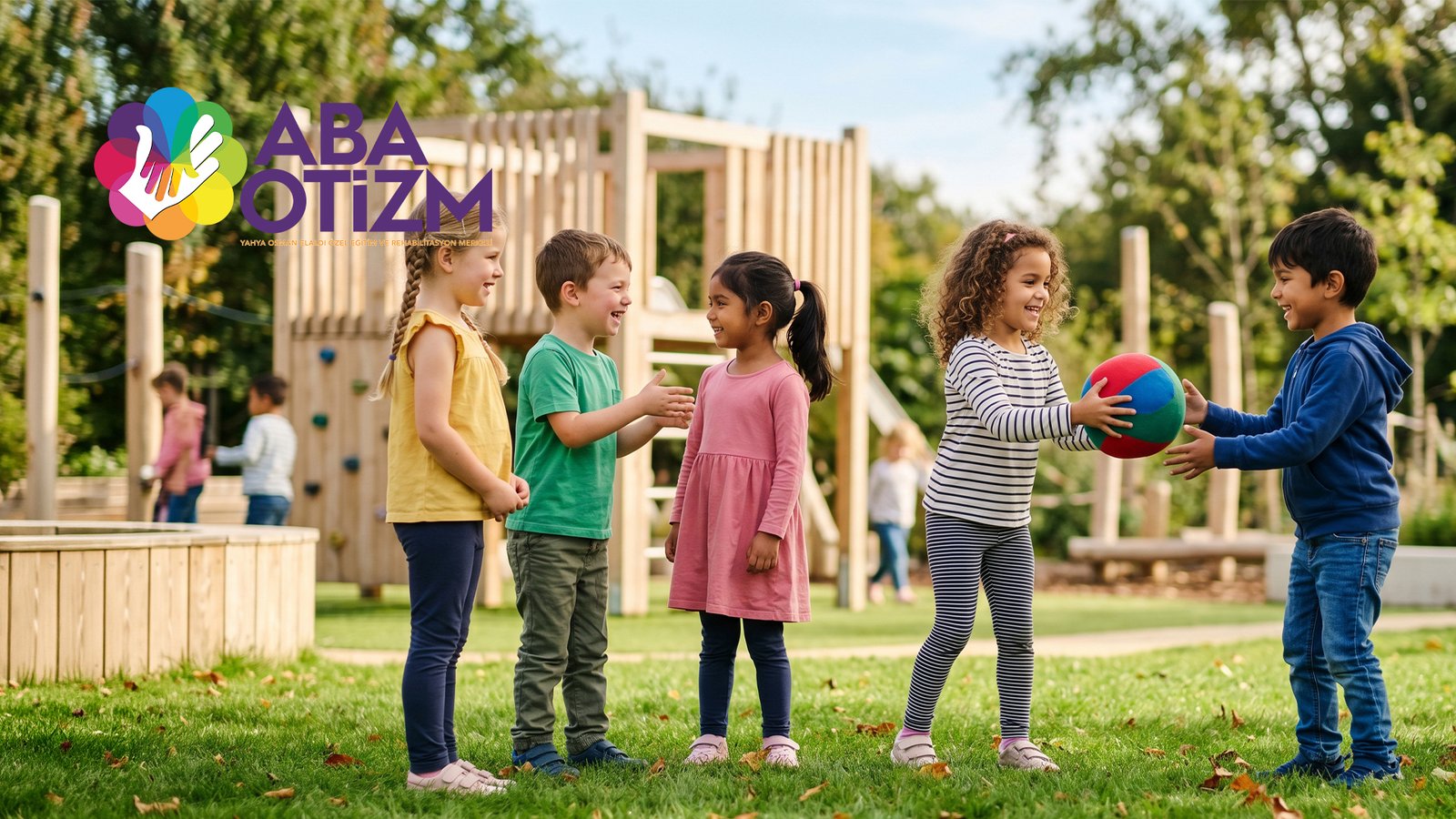
Social skills in autistic children encompass areas such as interacting with peers, taking turns, initiating play, maintaining conversation, understanding emotions, and adapting to social rules. These skills may not develop spontaneously and may require structured support.
Social skills can contribute to a child being more active and independent in daily life.
What are Social Skills?
Social skills refer to behaviors that enable an individual to communicate appropriately with others and maintain relationships.
In children with autism, these skills can develop at different rates.Autism Speaks states that social skills can be developed through practice and can be supportive in terms of community participation, friendship, and quality of life.
Which Skills Can Be Supported?
Skills such as waiting in line, eye contact, collaborative play, sharing, imitation, greeting, initiating conversation, recognizing emotions, and participating in group activities can be worked on within the scope of social development.
How Are Social Skills Taught?
Social skills can be supported through modeling, role-playing, visual aids, play-based activities, and structured activities. The process should be planned according to the child's age, developmental level, and needs.
Developing social skills in children with autism can help the child interact more healthily with their environment. Regular study, family support, and expert guidance play an important role in this process.